An Island with Five Centuries of History
The Island of Mozambique is one of the most extraordinary places in Africa. This small coral island — just 3 km long and 500 metres wide — was for centuries the centre of Indian Ocean trade, an essential stop on the routes of silk, gold, ivory and spices between Asia, Arabia and Europe.
Founded by Arabs and Swahili before the arrival of the Portuguese in 1498, the island was the capital of Mozambique for almost four centuries — from when Vasco da Gama landed here until the capital moved to Lourenço Marques (today Maputo) in 1898. This past left an architectural heritage unique in the world, recognised by UNESCO in 1991 as a World Heritage Site.
What to See and Do
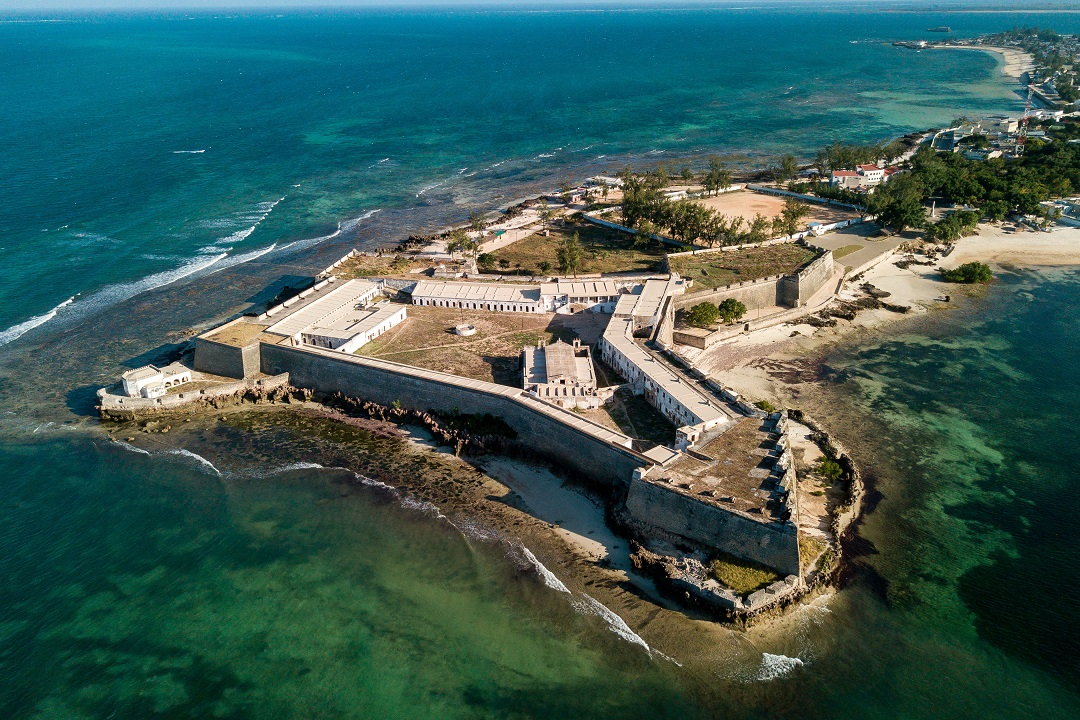
Fortress of São Sebastião
Built between 1558 and 1620, it is the oldest Portuguese colonial fortress still standing in sub-Saharan Africa. Its white coral limestone walls command a panoramic view over the ocean and the mainland. Inside are an old cistern, a chapel and museums on the island's military and trading history.
Palace of São Paulo
The former residence of the colonial governors, built in the 17th century, is today the Museum of Sacred Art — one of the most important in East Africa, with collections of Indo-Portuguese art, carved ivory and colonial furniture.
Stone and Lime Town vs. Macuti Town
The island is divided into two distinct worlds: the Stone and Lime Town (north), with its colonial buildings, churches and the fortress; and Macuti Town (south), the local neighbourhood with macuti (palm-thatch) houses, lively markets and the everyday life of the islanders. Both are worth exploring on foot.
💡 Traveller's Tip
Explore the island on foot or by tuk-tuk — it's the only way to truly soak up the unique atmosphere of its narrow alleys. The best time is at dawn, when the fishermen come in with the day's catch.
Beaches and Snorkelling
The island is surrounded by crystal-clear waters with coral reefs just metres from the shore. Praia dos Sonhos and the area in front of the fort are the top spots for snorkelling. For deeper diving, local operators run trips to the offshore reefs.
Local Cuisine
The cuisine of the Island of Mozambique is a fusion of Arab, Indian and Bantu influences. Don't miss the grilled tiger prawns with peanut and coconut, matapa (cassava leaves with peanut and seafood) and the fresh catch of the day prepared with local spices. The seafront restaurants serve at sunset with unique views.
Getting There
The Island of Mozambique is 180 km from Nampula city, reached via the EN105 national road in about 2h30 by car. The road is in good condition and the crossing is made over a 3.5 km bridge — the longest in Mozambique — linking the mainland to the island.
- By car: EN105 from Nampula, about 2h30
- Chapa (shared minibus): daily departures from Nampula's central market
- Private transfer: available through tour operators in Nampula
Plan your visit to the Island
Contact us for accommodation recommendations, local guides and tailor-made itineraries.
Plan Your TripPlan your visit to the Island of Mozambique
Contact us for accommodation recommendations, local guides and tailor-made itineraries.
Plan Your Trip